
English 
T: +86-21-55896873
E: info@youguard.cn
E: info@youguard.cn
8th Floor, Building 3, 999 Jiangyue Road, Minhang District, Shanghai
Views: 0 Author: Site Editor Publish Time: 2026-06-16 Origin: Site


Storing a high-value, seasonal, or classic vehicle requires more than simply parking it out of the way. Leaving your prized asset unprotected invites rapid environmental damage. These harsh elements quickly degrade pristine exterior finishes. Inadequate storage protection leads to compounding degradation over time. You might face severe paint oxidation, micro-scratches, and dangerous moisture trapping. Such issues aggressively attack exterior surfaces and compromise internal mechanical components.
We will provide an objective, evidence-based framework for evaluating standard versus custom storage solutions. You will discover the exact material specifications needed to preserve vehicle integrity. By understanding the science behind moisture control and friction mitigation, you can select the perfect defense mechanism. This guide helps you match your specific garage or driveway conditions to the optimal fabric technology, preventing costly repairs entirely.
Fit Dictates Friction: A tailored fit prevents the "sandpaper effect" caused by loose fabric shifting in the wind or brushing against the clear coat.
Breathability Over Waterproofing: Trapped condensation is the primary catalyst for rust during long-term storage; specialized fabrics prioritize moisture evaporation.
Environment Defines Material: Indoor and outdoor storage demand fundamentally different protective layers (dust mitigation vs. UV/weather defense).
Application Technique Matters: Even the highest-grade cover requires strict application protocols (e.g., applying only to a freshly washed surface) to prevent damage.
Many owners initially attempt to save money by purchasing generic, off-the-shelf tarps. These universal fits create significant mechanical hazards. Excess material generates wind flap during mild breezes. Wind catches loose sections easily. It whips the fabric against the exterior repeatedly. This repetitive striking turns any trapped particulate matter into a dangerous abrasive layer. The resulting friction destroys clear coats rapidly. You eventually notice swirl marks and dull patches across the hood and roof.
Custom tailoring solves this mechanical flaw through precise structural engineering. Manufacturers use exact vehicle dimensions to map every curve. Mirror pockets anchor the sides securely. Contoured bumper lines hug the front and rear fascia. Tailored hems grip the lower chassis tightly. These specific design elements create a static, tension-secured barrier. The fabric cannot shift or slide across the paint. Wind simply glides over the aerodynamic profile. This precise tension eliminates friction entirely.
Evaluating this choice requires a strict look at long-term liabilities. Upfront savings vanish quickly when damage occurs. Compare the initial price of a premium Car Protective Cover against inevitable repair bills. Professional paint correction costs hundreds of dollars per session. Advanced rust remediation demands thousands of dollars. A tailored fit acts as an insurance policy. It defers these massive restoration costs by addressing the physical root causes of degradation.
Temperature fluctuations create silent, aggressive threats during extended storage periods. Garages and driveways experience significant thermal swings between day and night. Warm air holds moisture easily. When temperatures drop overnight, this trapped moisture condenses into liquid water. Dew points settle directly onto the undercarriage and body panels. Non-breathable materials act like greenhouses. They trap this condensation against bare metal components. This trapped moisture accelerates chassis rust and surface oxidation aggressively.
Indoor storage environments present deceptive dangers. Many believe a closed garage offers complete safety. This misconception leads to severe neglect. Micro-dust containing sharp silica particles settles constantly. These particles land on unprotected paint and act like fine-grit sandpaper. Accidental garage bumps happen frequently as people move bicycles or lawnmowers. Chemical drips from overhead shelves or leaking pipes pose severe acidic risks. A dedicated barrier absorbs these impacts and repels harmful household fluids.
Outdoor storage subjects vehicles to relentless atmospheric assaults. Prolonged sun exposure breaks down molecular bonds in clear coats. UV radiation causes dashboards to crack and leather seats to fade. Biological hazards amplify this degradation. Bird droppings contain highly concentrated uric acid. This acid etches deep into paint layers within hours. Tree sap acts like an industrial cement. It binds aggressively to glass and metal surfaces. You need specialized defenses to neutralize these highly acidic, chemical threats before they cause permanent scarring.
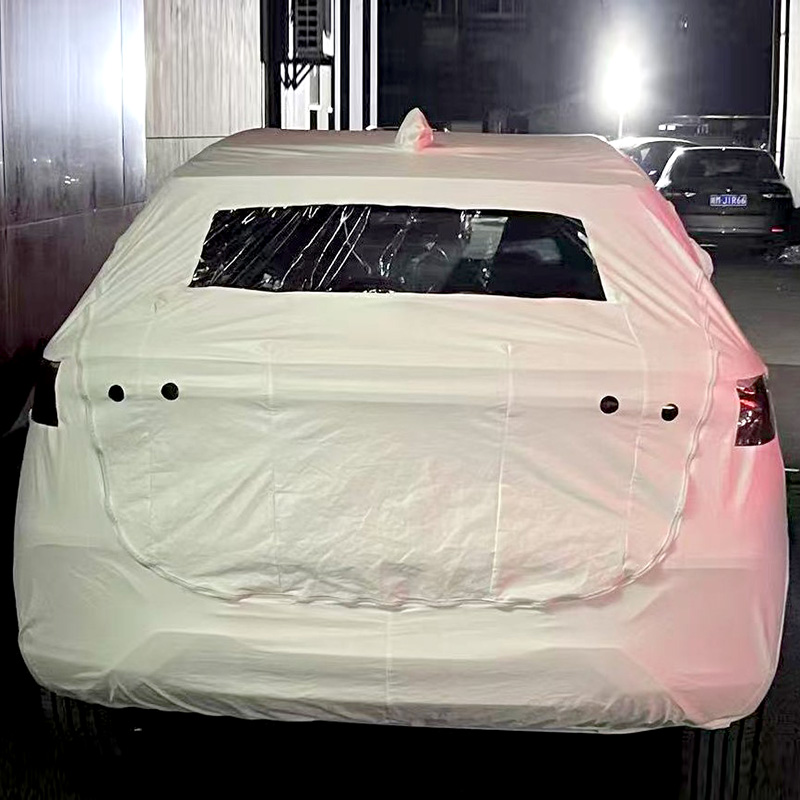
Selecting the right defense mechanism requires analyzing specific environmental stressors. Fabric technology varies wildly between indoor and outdoor applications. You must match the material construction to your primary threat model. An incorrect choice often accelerates damage instead of preventing it.
Garages demand specific textile properties to combat microscopic threats. Your primary enemy indoors is airborne particulate matter. Micro-dust settles on panels and creates scratching hazards.
Required Metrics: Manufacturers engineer indoor fabrics for high dust-filtration. Look for an ultra-soft inner lining like premium fleece or flannel. The overall construction remains incredibly lightweight. Weight reduction makes frequent application and removal effortless.
Objective: The primary goal involves preventing micro-scratching. The soft lining glides over the paint safely. Simultaneously, the lightweight weave allows the vehicle to breathe naturally. Heat and trace moisture evaporate outward without restriction.
Driveways and open lots subject exteriors to extreme weather events. The material science here shifts toward heavy-duty deflection and thermal regulation.
Required Metrics: You need robust, multi-layer construction. Premium options utilize acrylics and synthetic polymers. The fabric must boast a high UV-resistance rating to survive relentless summer sun. Extreme breathability remains a non-negotiable metric.
Objective: The outer layer deflects intense precipitation and harsh UV rays. The middle layers provide structural impact resistance against hail or falling branches. Most importantly, the specialized membrane allows trapped ground moisture to vaporize. This moisture vapor escapes outward through the fabric, keeping the chassis bone-dry.
To clarify these structural differences, review the fundamental construction standards in the table below:
Storage Environment | Primary Threat Model | Ideal Material Construction | Key Performance Metric |
|---|---|---|---|
Indoor (Climate Controlled) | Silica dust, accidental abrasion | Single-layer woven cotton or synthetic blend | Maximum dust filtration |
Indoor (Unheated Garage) | Condensation, heavy dust | Dual-layer fabric, fleece inner lining | Thermal breathability |
Outdoor (High Sun/Desert) | UV degradation, extreme heat | Reflective acrylic polymers | UV deflection rating |
Outdoor (Heavy Rain/Snow) | Water ingress, ground moisture | Multi-layer synthetics, micro-porous membrane | Moisture vapor transmission |
The chart below illustrates how moisture retention drastically increases the risk of surface oxidation when using non-breathable fabrics compared to scientifically engineered membranes.
Chart: Paint Oxidation Risk vs. Fabric Breathability | ||
|---|---|---|
Time in Storage | Standard Tarp (0% Breathable) | Micro-Porous Fabric (100% Breathable) |
1 Month | Moderate Risk (Trapped Dew) | Zero Risk |
3 Months | High Risk (Clear Coat Clouding) | Zero Risk |
6 Months | Severe Risk (Active Rust Formation) | Minimal Risk |
Automotive forums frequently host intense debates regarding paint safety. Many enthusiasts on platforms like Reddit's r/cars complain about micro-marring. They share photos of swirl marks discovered after winter storage. These posts generate significant anxiety for new buyers. We must acknowledge this industry debate objectively. Scratches do happen, but we must accurately diagnose the underlying mechanism.
A rigorous root cause analysis reveals a crucial truth. The protective fabric rarely scratches the paint directly. Dirt acts as the actual abrasive agent. When you place a barrier over a dirty car, you trap road grit against the clear coat. Any slight movement grinds these tiny rocks into the finish. Blaming the fabric ignores the basic physics of friction. An improperly prepared surface guarantees aesthetic damage.
Implementing strict application prerequisites eliminates this risk entirely. You must treat installation as a methodical procedure. Follow this non-negotiable operational protocol:
Wash the exterior meticulously: Remove all heavy soils, bird droppings, and road grime using a pH-neutral shampoo.
Dry the surface completely: Use microfiber towels or forced air to evacuate standing water from panel gaps and mirrors.
Roll the fabric on gently: Never drag material across the hood. Place it on the roof and unroll it down the sides slowly.
Furthermore, maintaining the protective equipment itself is mandatory. A dirty interior lining ruins a clean car instantly. You must routinely wash the fabric according to manufacturer specifications. Most premium materials require specialized, detergent-free solutions. Cleaning the fibers flushes out accumulated dust and restores vital breathability. A pristine inner layer ensures your exterior remains flawless week after week.
Navigating the marketplace requires a structured analytical approach. Avoid marketing buzzwords. Focus strictly on physical engineering properties. Use this evaluation framework to drive a highly qualified purchasing decision.
Layer Construction: Assess your exact threat profile. Single-layer weaves excel at light dust mitigation indoors. Multi-layer composites offer heavy weather and impact protection outdoors. Do not buy heavy outdoor fabrics for an indoor garage; they restrict breathability unnecessarily.
Seam Integrity: Examine the stitching patterns closely. Standard single stitches fail under high wind tension. Look for overlapped, double-stitched seams. This construction technique prevents water ingress through needle holes and stops material tearing during violent storms.
Tie-Down and Security Hardware: Evaluate the mounting hardware carefully. Grommet placement dictates security. Ensure all grommets utilize non-scratch plastics or hidden rubber rings. Exposed metal grommets swing in the wind and dent doors. High-wind environments also demand reinforced under-body strap systems to lock everything down.
Warranty and Lifespan Guarantees: Assess the manufacturer's warranty actively. Companies rarely offer long warranties on inferior plastics. A five-year guarantee serves as a strong indicator of advanced UV degradation resistance. It proves the manufacturer trusts their fabric longevity under intense atmospheric stress.
Selecting a proper Vehicle Cover involves checking each of these structural boxes. Do not compromise on seam integrity or hardware quality.
Investing in a custom-tailored solution transitions your approach from basic coverage to advanced vehicle preservation. A simple tarp offers false security and often accelerates damage through mechanical friction. Custom tailoring locks the fabric in place, neutralizing abrasive wind flap. It forms a dedicated shield against invisible environmental threats.
Your correct choice depends entirely on analyzing your specific storage environment. You must differentiate between indoor dust accumulation and outdoor chemical hazards. Prioritize breathability over absolute waterproofing to prevent undercarriage oxidation. Remember to maintain strict, clean-application practices. Washing your exterior before installation remains the ultimate defense against micro-marring.
Take proactive steps to protect your automotive investment today. Input your specific vehicle year, make, and model into a sizing tool to view tailored material options. Secure the exact fitment required to keep your finish flawless.
A: No. Installing fabric over a wet surface traps moisture immediately. This trapped water cannot evaporate efficiently. It sits against the paint and accelerates clear coat clouding. Prolonged exposure breeds severe mold inside panel gaps. It also acts as a primary catalyst for undercarriage rust. Always dry the exterior completely before application.
A: Advise periodic removal every two to three weeks. You need to inspect the vehicle condition actively. Removing it allows fresh air circulation and helps evaporate any deeply trapped condensation. This routine also lets you check for rodent intrusion inside engine bays or wheel wells during cold winter months.
A: Yes, provided they are strictly custom-fit. A tailored profile prevents excess material from catching the wind. You must also utilize reinforced under-car locking cables. These straps anchor the sides tightly. Proper tensioning prevents violent fabric friction, keeping your paint entirely safe during severe storms.


