
English 
T: +86-21-55896873
E: info@youguard.cn
E: info@youguard.cn
8th Floor, Building 3, 999 Jiangyue Road, Minhang District, Shanghai
Views: 0 Author: Site Editor Publish Time: 2025-09-04 Origin: Site


Industrial robots are essential assets in modern manufacturing and automation. However, their delicate components often face harsh conditions that can reduce performance and lead to costly downtime. Protective covers designed specifically for robots offer a vital solution to safeguard these machines. By reducing wear and tear, a well-engineered robot protective cover extends operational life and lowers maintenance expenses. At Shanghai Youguard Automation Technology Co., Ltd, we specialize in advanced robotic covers tailored to protect industrial robots across various sectors, ensuring optimal performance and reliability in demanding environments.
Robots in industrial settings encounter multiple environmental hazards daily. Understanding these risks is key to appreciating the importance of robot covers.
Factories, warehouses, and production lines generate significant dust and particulate matter. These fine particles can infiltrate robot joints, sensors, and control units, causing abrasion and interference. Over time, dust accumulation may reduce the precision of robotic arms, affecting accuracy in tasks such as welding, assembly, or material handling. The abrasive nature of some particulates can accelerate mechanical wear, leading to more frequent repairs and downtime. In addition, particulate contamination can cause electrical shorts or sensor malfunctions, further compromising robot functionality and safety.
In heavy industries like metal foundries or welding shops, robots face extreme heat and exposure to sparks or molten metal splatter. Such conditions can damage electronic circuits and mechanical parts. Thermal expansion and contraction cycles may degrade seals and joints, while sparks can cause surface burns or fires if left unchecked. Without proper protection, robotic equipment’s reliability and safety are severely compromised. Heat can also degrade lubricant quality inside joints, increasing friction and wear, which ultimately shortens component life.
Chemical exposure is common in industries involving painting, coating, or food processing. Robots often encounter coolants, solvents, acids, or alkaline washdowns used for cleaning or manufacturing processes. These substances pose risks of corrosion to metal components and may short circuit sensitive electronics. Moisture ingress during high-pressure washdowns can also cause malfunction if the robot is not adequately sealed. Additionally, repeated exposure to harsh chemicals without protection can weaken structural parts, causing unexpected failures and costly downtime. Protective covers help form a barrier against these corrosive agents, preserving robot integrity and ensuring operational safety.
Industrial robot covers are designed with features that directly counter the above environmental challenges.
High-quality robotic covers act as physical barriers, preventing dust, particulates, and chemical splashes from reaching vital robot parts. Materials such as reinforced textiles, waterproof membranes, and chemical-resistant coatings provide this protection. For example, waterproof robot covers seal joints and gaps, stopping moisture penetration during washdowns. This ensures that sensitive electronics remain dry and operational. Some covers also feature anti-static properties to prevent dust attraction, which is crucial in cleanroom or electronic assembly environments.
To combat heat and sparks, some robot protective covers incorporate thermal insulation or reflective layers. These materials deflect radiant heat and shield components from high temperatures. Specialized fabrics can withstand sparks and molten splatter without melting or degrading, maintaining the robot’s safety and functionality in extreme conditions. This thermal protection reduces the risk of heat-induced failures and helps maintain stable operating temperatures, which is essential for sensitive robotic electronics and joint mechanics.
Robotic covers include engineered seals and fastenings that secure the cover firmly without interfering with the robot’s range of motion. Modular designs allow easy removal or access panels for routine maintenance and inspections without exposing the entire robot. This combination of protection and accessibility reduces the need for complete disassembly, speeding up repairs and lowering downtime. Well-designed access points also improve worker safety by minimizing exposure to hazardous areas during maintenance.
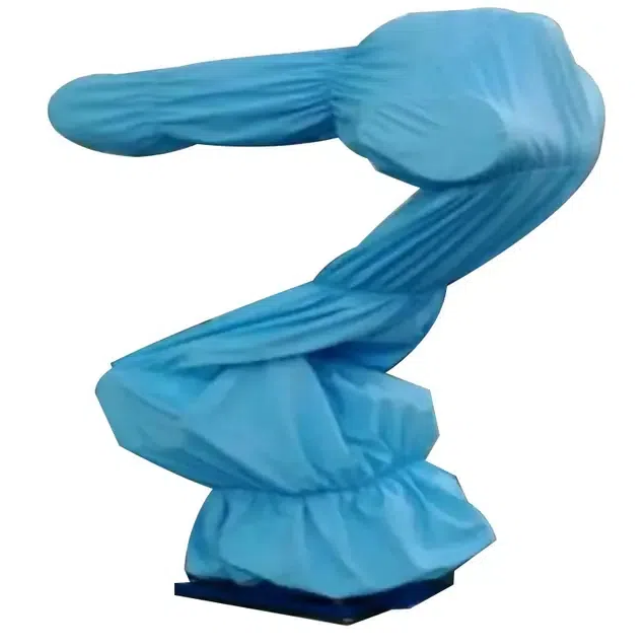
Investing in robotic covers yields measurable benefits that improve plant productivity and reduce costs.
By preventing contamination and damage, robot covers minimize breakdowns and unplanned maintenance stops. This translates directly to higher uptime and consistent production rates. Maintenance teams can schedule preventive service rather than emergency repairs, improving resource allocation. Furthermore, fewer emergency repairs reduce the need for costly overtime labor and expedite the return to full operation.
Protective covers shield critical components from premature wear, extending their service life. This reduces the frequency of part replacements and associated labor costs. The longevity of expensive parts such as sensors, joints, and control modules improves, optimizing capital expenditure. Over time, these savings significantly outweigh the initial investment in high-quality robotic covers, making them a cost-effective solution for any facility.
In industries requiring strict hygiene standards, such as food processing and pharmaceuticals, waterproof and chemical-resistant robotic covers are essential. They enable robots to withstand frequent washdowns and chemical disinfectants without degradation. This compliance enhances product safety and meets regulatory requirements. The covers also prevent contamination cross-over, supporting food safety audits and certifications.
Robot covers find use across diverse sectors, each with unique protective needs.
Foundries and Welding: Robots face heat, sparks, and molten metal splatter; flame-resistant and heat-insulated covers are critical. These covers help maintain robot integrity in the presence of extreme temperatures and flying debris.
Painting Lines: Protective covers guard against paint overspray and chemical solvents, preventing surface damage and ensuring smooth robotic movements without interference.
Food Processing: Waterproof robot covers withstand frequent washdowns and chemical cleaners, maintaining hygiene. These covers are designed to resist bacteria growth and meet strict sanitation protocols.
These real-world examples demonstrate how tailored robotic covers prevent costly failures and maintain continuous operations.
Determining if your robot requires a protective cover involves assessing several factors.
Environment: Is the robot exposed to dust, chemicals, water, or heat? Harsh conditions almost always justify protective covers.
Exposure Level: Frequency and intensity of hazardous conditions determine the type and durability of cover needed.
Duty Cycle: How often and how long the robot operates under risky conditions affects wear and protection requirements.
Return on Investment: Balance upfront cover cost against potential savings in downtime, repairs, and part replacements. Consider long-term cost benefits rather than just initial price.
Robots operating in clean or controlled environments may not require extensive covers, but any facility facing heavy dust, moisture, or chemical exposure will benefit substantially from robotic covers, making them a wise and cost-effective investment.
Industrial robot covers are indispensable for protecting valuable robotic equipment from environmental hazards, reducing downtime, and extending operational life. At Shanghai Youguard Automation Technology Co., Ltd, we provide advanced robot covers tailored to diverse industrial needs, including waterproof and heat-resistant options. Implementing the right robot protective cover safeguards your investment and ensures production continuity. Contact us today to learn how our solutions can enhance your robot protection strategy and optimize your maintenance costs.


