
English 
T: +86-21-55896873
E: info@youguard.cn
E: info@youguard.cn
8th Floor, Building 3, 999 Jiangyue Road, Minhang District, Shanghai
Views: 0 Author: Site Editor Publish Time: 2025-08-09 Origin: Site


When it comes to safeguarding your valuable industrial robots, choosing the right robot protection is essential. A well-selected robot protective cover shields machines from environmental hazards, reduces downtime, and extends service life. However, with many options available, buyers often face uncertainty about which protective cover fits their needs best. This checklist simplifies the selection process, helping you pick a robot cover that suits your hazards, fits your equipment, and aligns with your maintenance plan. Shanghai Youguard Automation Technology Co., Ltd offers a comprehensive Robot Protection Series designed to meet diverse industrial challenges, ensuring durable, waterproof robot covers that stand up to dust, heat, and chemical exposure.
Before selecting any robot protective cover, it’s crucial to understand the environment where your robot operates. Different industrial settings present unique risks that can degrade robot performance or cause failures. Mapping these hazards is the first step to choosing the right protection.
Industrial environments may expose robots to:
Dust: Common in manufacturing, welding, or woodworking, dust particles can infiltrate joints and sensors, leading to abrasion, reduced precision, and even system failure. Dustproof robot covers prevent these issues by sealing out fine particulates.
Water and Moisture: Wet processes, washing cycles, or humid environments require waterproof solutions. Without proper waterproofing, sensitive electronics and metal components may corrode or short circuit.
Heat: High temperatures from welding, foundries, or painting can damage sensitive components or reduce their lifespan. Heat-resistant and flame-retardant robot covers protect robots from sparks, radiant heat, and flames.
Chemicals: Exposure to solvents, paints, or cleaning agents demands chemical-resistant covers that can withstand aggressive substances without degrading.
Static Electricity: Static discharge can cause serious damage to robotic control systems. Anti-static robot covers dissipate static charges to prevent electrical failures.
Taking a thorough inventory of these environmental hazards allows you to prioritize your robot cover features accurately and avoid costly mistakes.
With hazards identified, the next step is to determine the critical material properties your robot cover should possess. The right materials ensure effective shielding without restricting robot movement or causing overheating.
Waterproof Robot Cover: Essential in wet or humid environments, waterproof covers prevent moisture ingress that can short-circuit electronics or corrode metal parts. Youguard’s covers use advanced waterproof fabrics combined with sealed seams for superior protection.
Dustproof Robot Cover: Dustproof fabrics block fine particles from entering joints and sensors, reducing maintenance needs and prolonging equipment life. This feature is vital in dusty or abrasive industrial settings.
Flame-Resistant Materials: For welding or high-heat processes, flame-retardant covers protect robots from sparks and intense heat exposure. These materials comply with international safety standards, reducing fire hazards.
Anti-Static Properties: To avoid static discharge damaging electronics, covers made with static-dissipative materials are vital. This helps maintain system reliability in sensitive automated processes.
Temperature Control: Some Youguard covers include temperature-regulating layers to prevent overheating, maintaining optimal robot operation. These innovative features ensure that protective garments do not trap heat, which can otherwise degrade robot performance.
Selecting features tailored to your environment’s demands ensures maximum protection and operational continuity, helping maintain production quality and uptime.
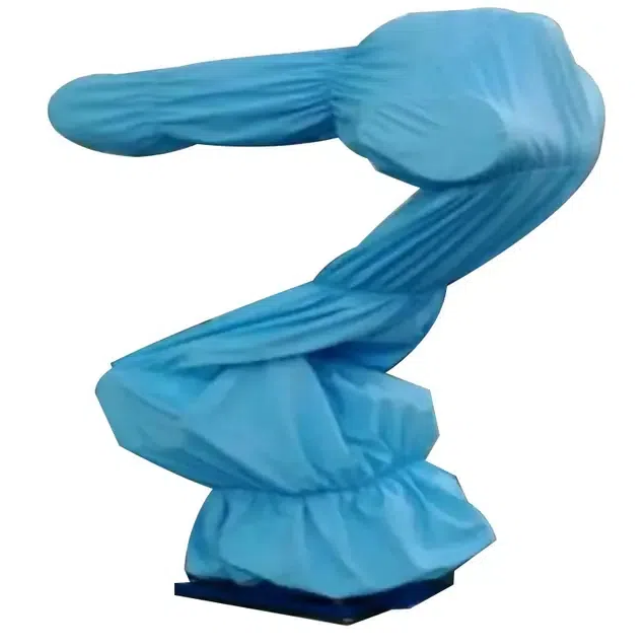
Even the best materials won’t protect effectively if the cover doesn’t fit your robot properly. Compatibility and ease of maintenance are key considerations for procurement.
Fit to Specific Brands: Leading industrial robots from ABB, KUKA, FANUC, and others have unique shapes and joint arrangements. Youguard provides tailored protective covers designed to fit these models precisely, ensuring no interference with robot mechanics.
Easy Installation and Removal: Quick access panels or zippers allow fast maintenance without removing the entire cover, reducing downtime and improving service efficiency.
Non-Interference with Motion: Covers must accommodate the robot’s full range of motion without binding or snagging. A poor fit can cause abrasion or tears, negating the protective benefits.
Serviceability: Durable fabrics with reinforced seams and replaceable spare panels simplify repairs and extend product life, minimizing overall maintenance costs.
A well-fitting, compatible cover enhances protection and reduces operational disruptions, making it a critical procurement factor.
Before fully deploying new robot protection, it’s vital to validate that it meets functional and environmental requirements through testing.
Functional Tests: Verify that the cover does not interfere with the robot’s motion or joint clearance. Test movements through the entire operational envelope to detect any restrictions or binding.
Environment Tests: Simulate exposure to hazards such as water spray, dust ingress, and heat cycles to confirm the cover’s resistance. This ensures the cover performs as promised under real working conditions.
Durability Checks: Evaluate abrasion resistance and seam strength under normal operating conditions to ensure the cover withstands daily wear and tear.
Field Trials: Use the cover in a live production setting for a trial period to monitor performance and identify any unforeseen issues, allowing adjustments before full-scale implementation.
These tests safeguard your investment and ensure uninterrupted robot operation in demanding industrial environments.
Buying a robot cover isn’t a one-time decision; planning for the full lifecycle ensures sustained protection and cost-efficiency.
Repair and Maintenance: Choose covers with available spare panels or repair kits to address wear and tear without full replacement. This approach reduces downtime and extends service life.
Lead Times: Factor in production and shipping times for new covers or spares, especially for custom-fit products, to avoid gaps in protection.
Replacement Planning: Schedule periodic inspections and establish timelines for replacement based on usage intensity and environmental exposure.
Cost vs. Longevity: Balance upfront costs with durability to optimize total cost of ownership. Investing in higher-quality protective covers can save money in the long run by reducing failures and maintenance.
Shanghai Youguard supports clients with comprehensive after-sales services and spare parts availability, helping maintain seamless robot protection throughout the equipment’s operational life.
Even experienced buyers can make errors that compromise protection or increase costs. Awareness helps avoid these pitfalls.
Over-Specifying: Selecting unnecessarily heavy or rigid covers can reduce robot agility and increase costs without added benefits. It is important to tailor protection to actual needs.
Ignoring Motion Envelopes: Failing to consider the full range of robot movement can lead to binding, tearing, or compromised protection. Ensuring flexibility and clearance is crucial.
Skipping Field Tests: Accepting covers without real-world trials may result in unforeseen failures or maintenance issues, leading to production delays.
Following a methodical checklist, as outlined here, prevents common errors and ensures the best outcome for your robot protection investment.
Choosing the right robot protection requires a clear understanding of your environment, precise material selection, proper fit, thorough testing, and thoughtful lifecycle management. Shanghai Youguard Automation Technology Co., Ltd’s Robot Protection Series offers expertly engineered solutions including waterproof robot covers and dustproof robot covers designed for leading brands like ABB, KUKA, and FANUC. With these protective garments, manufacturers can confidently protect their automation assets, reduce downtime, and maintain high production efficiency.
For more information on selecting the ideal robot protective cover tailored to your needs, contact us at Shanghai Youguard. Our team is ready to provide expert guidance and customized quotes to help you secure your robotic investments effectively.


