
English 
T: +86-21-55896873
E: info@youguard.cn
E: info@youguard.cn
8th Floor, Building 3, 999 Jiangyue Road, Minhang District, Shanghai
Views: 0 Author: Site Editor Publish Time: 2026-05-16 Origin: Site


Heavy industries like petrochemical processing and maritime operations operate under immense stakes. Standard personal protective equipment frequently fails against compound hazards. Fluid exposure and chemical degradation pose immediate threats. You cannot rely on basic rain gear when handling corrosive substances. We need a perspective shift. Specialty protective garments are not just a compliance checkbox. They represent a strategic operational asset. Investing in the right gear mitigates liability. It drastically reduces costly operational downtime. When you evaluate and invest in dual-threat garments, you fundamentally protect your workforce. High-performance materials block water ingress while resisting chemical breakdowns. This approach ensures strict regulatory compliance. It optimizes long-term operational efficiency. Navigating the intersection of extreme weather and hazardous chemicals requires precision. We will explore how proper material engineering, rigorous testing, and multi-hazard integration create a safer, more resilient workplace.
Standard waterproof garments degrade rapidly under chemical exposure, creating invisible vulnerabilities for workers.
Evaluating waterproof corrosion-resistant protective clothing requires assessing both hydrostatic pressure limits and chemical permeation data.
Integrating multi-hazard features—such as combining an acid and alkali resistant suit with anti-static properties—is critical for explosive or highly volatile environments.
True ROI in heavy-duty PPE comes from extended garment lifespan, reduced workplace incident costs, and improved worker mobility and compliance.
Industrial environments present relentless and overlapping hazards daily. Facilities like oil refineries and chemical manufacturing plants operate under extreme conditions. Workers face continuous exposure to abrasive fluids. They encounter corrosive chemicals and extreme weather simultaneously. These harsh realities demand specialized defense mechanisms. You must equip your team to handle overlapping environmental and chemical threats.
Basic garments inevitably fail in these environments. Standard waterproof protective clothing breaks down rapidly under harsh industrial solvents. Seam degradation occurs almost immediately upon chemical contact. Polymer coatings dissolve, weaken, or turn brittle. This degradation creates invisible vulnerabilities across the garment. Standard rainwear lacks the necessary chemical polymers. When these basic materials meet industrial acids, the reaction is rapid. The fabric essentially melts or turns rigid. Once rigid, the material cracks upon simple movement. This exposes the worker instantly to whatever fluid surrounds them. The false sense of security provided by standard gear is highly dangerous. A worker might feel completely dry. However, they remain exposed to severe chemical burns. The barrier appears intact but offers zero molecular defense.
Inadequate protection leads to measurable business losses. Medical leave spikes when chemical exposure incidents occur. Regulatory bodies impose heavy fines for localized safety failures. Work stoppages drain daily productivity heavily. Safety stand-downs halt entire production lines for hours. You lose valuable time, money, and worker trust. Protecting your team remains essential for maintaining smooth operational continuity. A single major breach causes massive disruption. Quality gear acts as an insurance policy against these localized disasters.
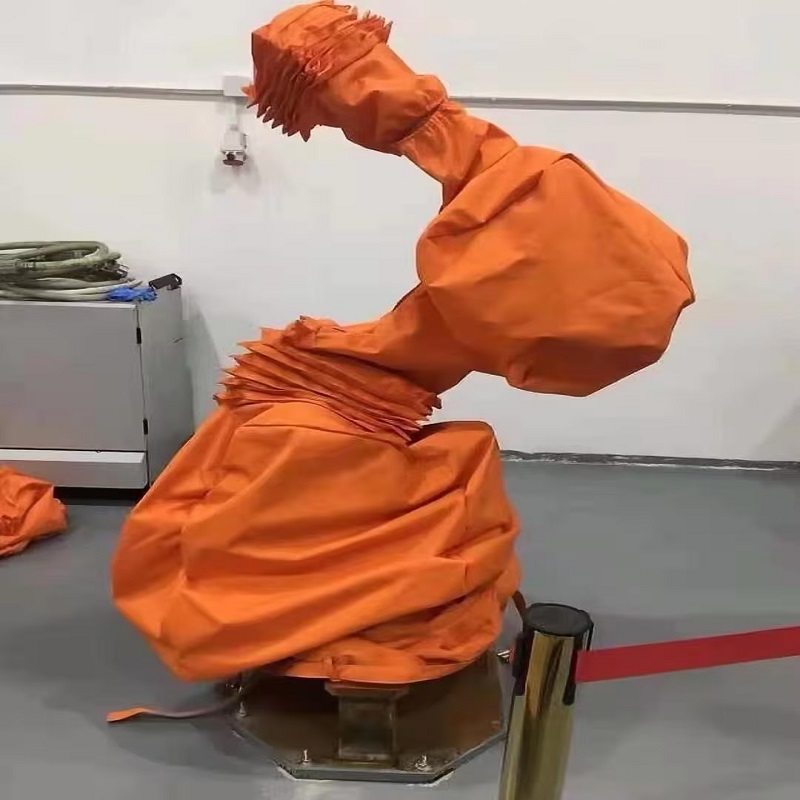
Building gear for dual-threat environments demands complex material engineering. We must deconstruct the materials required for these defenses. You need verifiable barriers against specific chemical threats. Manufacturers rely on rigorous science to develop reliable textiles. Quality engineering separates premium protective gear from cheap alternatives.
Understanding material failure modes is critical. Penetration means a fluid physically leaks through a gap. A torn seam or unsealed zipper allows physical penetration. Permeation represents a different, invisible threat entirely. A chemical absorbs directly through the fabric at a molecular level. It passes through solid-looking material over time. High-quality waterproof corrosion-resistant protective clothing must prevent both mechanisms simultaneously.
Industry-standard construction prevents these structural failures effectively. Manufacturers utilize advanced heat-welded seams. They apply multi-layer polymer barriers over base fabrics. Specialized surface coatings repel abrasive liquids on contact. These methods block liquid penetration completely while strengthening the core material. Double-taped seams ensure no micro-gaps exist. The physical construction is just as vital as the chemical composition.
A reliable acid and alkali resistant suit relies heavily on verified metrics. You must evaluate breakthrough times against specific chemical classes. Standardized tests measure how quickly chemicals breach the barrier. If a sulfuric acid splash occurs, the suit must provide ample time for decontamination. We cannot guess when safety is at stake. Workers need guaranteed response windows. These verified metrics dictate safe working parameters during chemical spills.
Permeation vs Penetration Analysis | ||
Hazard Mechanism | Definition | Prevention Method |
|---|---|---|
Penetration | Physical flow of liquids through gaps, seams, or tears. | Heat-welded seams, storm flaps, durable tear-resistant fabrics. |
Permeation | Molecular absorption of chemicals through the intact fabric. | Multi-layer polymer barriers, specialized chemical coatings. |
Degradation | Physical breakdown of material due to chemical contact. | Corrosion-resistant materials tailored to specific chemical classes. |
Liquid and chemical hazards rarely exist in isolation. Many facilities feature explosive or highly volatile atmospheres. Petrochemical refineries pose overlapping, complex risks. Workers navigate combustible dust and flammable vapors daily. A single hazard profile is extremely rare in heavy industry. You must account for compounding environmental risks.
Standard synthetic waterproof gear creates friction during normal movement. This friction generates dangerous static electricity on the garment surface. In vapor-rich environments, static buildup presents a severe ignition risk. A single spark can trigger a catastrophic explosion instantly. You cannot introduce static-prone materials into a volatile zone safely. Anti-static properties are not just a minor upgrade. They represent a fundamental life-saving feature in explosive environments. Consider a worker moving metal drums of solvent in the rain. The waterproof layer keeps them dry. However, the movement generates a triboelectric charge. Without conductive threads, this charge has nowhere to dissipate. When the worker touches the grounded metal drum, a spark jumps. In an atmosphere thick with solvent vapors, ignition is instantaneous.
Modern engineering solves this dangerous overlap elegantly. Manufacturers integrate conductive threads directly into the fabric grid. Specialized anti-static coatings further dissipate electrical charges safely. This integration creates highly effective anti-static workwear. Crucially, these conductive elements do not compromise other vital barriers. The garments remain fully waterproof. They retain their absolute chemical resistance. Workers receive synergistic protection against multiple fatal threats simultaneously.
You must approach multi-hazard integration through a strict compliance lens. Verify garments meet independent certification standards accurately. Do not accept broad or generalized marketing claims. The gear must pass independent tests for each claimed protective trait. An anti-static rating must accompany distinct chemical and waterproof certifications. Look for specific testing codes on the physical garment label.
Always assess the specific vapor or dust ignition risks in your facility.
Verify anti-static certification standards before finalizing deployment.
Ensure conductive threads remain intact after rigorous decontamination cycles.
Inspect multi-hazard gear frequently for combined material fatigue.
Procurement teams face complex, multifaceted evaluation criteria constantly. You need a structured approach to assess specialty PPE accurately. Focus heavily on mechanical strength and physical tear resistance. Chemical breakthrough times provide a clear, measurable safety window. Hydrostatic head ratings confirm reliable waterproof capabilities against high-pressure exposure. These metrics form the baseline of acceptable industrial protection.
We must address the dangerous reality of heat stress. Impermeable chemical and water barriers trap body heat naturally. This dynamic creates severe thermal burdens for frontline workers. You must balance absolute protection against worker ergonomics. Prioritize breathability where safety standards allow it. Factor in localized climate conditions and physical exertion levels. Consider integrating cooling vests beneath impermeable outer layers. Proper hydration protocols must accompany heavy-duty protective gear.
Demand absolute supplier transparency during the selection process. Request independent laboratory testing data directly from the manufacturer. Ask for detailed chemical compatibility charts covering your specific hazards. Never rely solely on vague marketing claims. You need objective data to ensure maximum workforce safety. A reputable supplier will readily provide comprehensive permeation test results. This data eliminates dangerous guesswork from your procurement cycle.
Evaluating gear means looking past the initial price tag entirely. Calculate the long-term value over the complete garment lifecycle. Cheap gear requires an extremely frequent replacement cycle. Premium corrosion-resistant protective clothing offers extended durability and resilience. Fewer replacements and reduced incident rates easily justify the initial investment. Focus on cost per wear instead of the outright unit price. High-quality garments maintain their protective integrity significantly longer. They provide superior long-term financial and operational value.
PPE Evaluation Framework Matrix | ||
Evaluation Area | Key Metrics to Assess | Why It Matters |
|---|---|---|
Mechanical | Tear strength, abrasion resistance. | Prevents physical breaches in rough environments. |
Chemical | Breakthrough time, degradation rate. | Dictates safe exposure duration during chemical spills. |
Environmental | Hydrostatic head rating, thermal retention. | Balances wet-weather defense with heat stress mitigation. |
Lifecycle Value | Lifecycle duration, maintenance needs. | Determines actual operational return on investment over time. |
Do not rush bulk purchasing decisions blindly. We strongly advocate for structured, on-site wear trials beforehand. Let workers test the garments during actual operational shifts. This approach validates ergonomics and specific task compatibility practically. A thirty-day pilot program reveals mobility restrictions quickly. Worker feedback ensures better adoption rates post-purchase. Frontline insight is invaluable when selecting protective barriers.
Sizing plays a massive role in overall safety. Conduct thorough sizing and fit audits across your entire team. Oversized gear creates dangerous, immediate tripping hazards. Undersized gear exposes delicate wrists and ankles to harsh chemicals. Proper fit ensures protective barriers remain overlapping and secure. Do not assume standard sizing charts translate perfectly across different brands. Custom audits prevent critical exposure gaps.
Outline strict operational requirements for cleaning and maintenance. You must inspect and safely store reusable suits daily. Proper maintenance prevents hazardous cross-contamination between shifts. It also delays premature material fatigue significantly. Follow manufacturer guidelines for specialized chemical cleaning agents. Establish dedicated decontamination stations away from standard break areas. A clean suit guarantees optimal chemical resistance during the next shift.
Establish clear, non-negotiable criteria for taking garments out of service. Train staff to identify visible abrasion or localized seam delamination. Enforce mandatory post-exposure inspection protocols strictly. If a suit faces a severe chemical splash, retire it immediately. Treat heavily compromised gear as hazardous waste. Delaying replacement puts your workforce at extreme risk.
Skipping wear trials to expedite the procurement process.
Using standard laundry detergents on specialized chemical barriers.
Ignoring minor seam fraying until a full physical breach occurs.
Storing contaminated gear alongside standard daily work clothing.
Combining waterproof and corrosion-resistant properties remains essential today. It is a baseline necessity in severe industrial settings. It is never an optional luxury. Frontline workers depend on this dual-threat defense daily. Ignoring compound hazards invites catastrophic workplace failures. A robust safety culture demands superior protective barriers.
Decision-makers must prioritize empirical testing data consistently. Focus heavily on total lifecycle value and overall worker comfort. High-quality protection yields long-term operational stability. It boosts team morale and reduces regulatory anxiety. The cheapest initial option often proves the most expensive eventually. Quality materials prevent costly operational shutdowns.
Take proactive steps toward better safety today. Encourage your procurement and safety officers to act immediately. Request a comprehensive chemical compatibility audit for your facility. Arrange a pilot wear-trial with a specialized manufacturer soon. Securing your frontline requires informed, decisive action now.
A: Water-resistant gear repels light moisture for short durations. It fails under continuous pressure. Waterproof gear blocks liquid ingress entirely. It undergoes rigorous testing against specific hydrostatic pressure thresholds. In heavy industry, "resistant" is severely inadequate. Workers need certified waterproof barriers to survive prolonged exposure to abrasive fluids and extreme weather.
A: Lifespan depends entirely on exposure frequency and maintenance routines. It does not rely on a simple calendar date. You must replace garments showing visible abrasion, seam delamination, or polymer breakdown. Mandatory post-incident inspections dictate replacement needs. A severe chemical splash often requires immediately retiring the suit to guarantee continued safety.
A: Yes, many high-quality models are reusable. However, limited-use or disposable chemical garments exist strictly for single exposures. Reusable gear requires specialized decontamination procedures. You cannot use standard industrial laundry methods. Proper cleaning prevents cross-contamination and maintains the chemical barrier. Always follow the manufacturer's specific washing and storage guidelines.
A: Movement in standard synthetic waterproof gear generates friction. This friction causes dangerous static buildup. In vapor-rich environments, static discharge presents a critical ignition risk. A single spark can ignite flammable vapors or combustible dust. Anti-static features safely dissipate these electrical charges without compromising the garment's waterproof or chemical barriers.


