
English 
T: +86-21-55896873
E: info@youguard.cn
E: info@youguard.cn
8th Floor, Building 3, 999 Jiangyue Road, Minhang District, Shanghai
Views: 0 Author: Site Editor Publish Time: 2025-11-18 Origin: Site


When it comes to achieving a high-quality finish, the right sandpaper grit can make all the difference. Among the various grit levels available, 2000 grit sandpaper stands out as one of the finest abrasives used in the finishing and polishing process. With its extremely fine texture, 2000 grit sandpaper is an essential tool for a range of applications, especially those that require a smooth, glossy, or mirror-like finish.
In this article, we will explore what 2000 grit sandpaper is used for, why it is important, how to use it effectively, and the best projects for which it is suited. Whether you're a DIY enthusiast, a professional woodworker, or someone looking to restore the shine to your car’s paint, understanding the role of 2000 grit sandpaper can help you achieve impeccable results.
Sandpaper is available in a range of grits, which indicates the size of the abrasive particles embedded in the paper. The grit number reflects the number of abrasive particles per square inch of the sandpaper. The higher the number, the finer the abrasive particles, which results in smoother finishes.
Coarse grits (40-80) are used for heavy sanding, stripping paint, or smoothing rough surfaces.
Medium grits (100-220) are used for general smoothing and refining.
Fine grits (240-400) are ideal for preparing surfaces for finishing or paint.
Very fine grits (600-2000) are used for polishing and achieving a high-gloss, smooth finish.
2000 grit sandpaper falls into the category of very fine grit and is typically used for the final stages of sanding when the surface needs to be extremely smooth. It’s often used to remove imperfections and achieve a perfect, mirror-like finish. Unlike coarser sandpapers, which leave visible scratches, 2000 grit sandpaper is capable of smoothing surfaces to the point where they look flawless.
2000 grit sandpaper is particularly effective in industries and projects where precision and a smooth, flawless surface are paramount. Here are some common applications:
One of the most popular uses for 2000 grit sandpaper is in car paint restoration. After painting a vehicle or applying a clear coat, you may notice imperfections such as orange peel (a bumpy texture) or minor scratches on the surface. 2000 grit sandpaper is commonly used to wet sand the paint, smoothing out these imperfections and leaving a perfectly smooth surface ready for polishing.
The process typically goes as follows:
Initial Sanding: After the paint has cured, start with a coarser grit (e.g., 1000 or 1500 grit) to remove significant imperfections.
Wet Sanding with 2000 Grit: Once the majority of imperfections are removed, 2000 grit sandpaper is used to further refine the surface. The fine abrasive particles smooth out any remaining imperfections and prepare the surface for polishing.
Polishing: After sanding with 2000 grit, you can apply a polishing compound to bring out a high-gloss finish.
This technique helps achieve a mirror-like shine and restores the depth and clarity of the car’s paint, making it look fresh and new.
In addition to car paint, 2000 grit sandpaper is also used to restore and polish headlights and fog lights. Over time, headlights can become cloudy, yellowed, or scratched due to UV exposure and dirt buildup. 2000 grit sandpaper is ideal for wet sanding headlights to remove the yellowed layer and smooth the surface.
Sanding Process: Start with a coarser grit (such as 800 or 1000) to remove the initial layer of oxidation. Then, finish the sanding process with 2000 grit to create a clear, smooth surface.
Polishing: After sanding with 2000 grit, apply a headlight polishing compound to restore the clarity of the lens.
This technique not only improves the aesthetic appearance of the headlights but also restores their functionality by allowing more light to pass through the lens.
In woodworking, 2000 grit sandpaper is used during the final stages of sanding wood surfaces that will receive a finish. After applying stain or varnish, you want a smooth, flawless surface to achieve the best appearance. 2000 grit sandpaper can be used to polish the surface, remove any remaining roughness, and prepare the wood for the final coat of finish.
Polishing Wood: For projects like furniture refinishing or cabinet restoration, 2000 grit sandpaper is often used between coats of varnish or polyurethane. It ensures that the wood surface is free of imperfections before the final clear coat is applied, giving the wood a polished, smooth surface.
Finishing with a Glossy Look: When working with woods like oak or cherry, 2000 grit can be used to achieve a glossy, professional-quality finish, especially when working with lacquered or varnished wood.
2000 grit sandpaper is also widely used in metal polishing, particularly for fine finishes on materials like aluminum, brass, stainless steel, and copper. Whether you’re restoring the finish of a metal object or simply preparing it for painting, 2000 grit sandpaper can be used to remove small imperfections and create a mirror-like finish.
Automotive Parts: In the automotive industry, 2000 grit is often used to polish chrome parts or other metal surfaces to a high-gloss shine. This can be done after the parts are sanded with a coarser grit to refine the finish.
Metal Sculptures and Jewelry: Artists and metalworkers use 2000 grit sandpaper to bring out the luster and shine in their creations. It is particularly effective for smoothing out surfaces that will be exposed to light and require a high level of detail and shine.
Plastic and acrylic materials are used in many products, from display cases to furniture. When plastic surfaces become scratched or dull, 2000 grit sandpaper is an excellent solution for polishing plastics and removing scratches. For example, acrylic fish tanks, display cases, and windows can be polished to restore their clarity and transparency.
Sanding Process: After sanding with a coarser grit, finish with 2000 grit to smooth out any remaining scratches or scuffs.
Polishing: After sanding, use a plastic polish or compound to bring out a glossy, clear surface.
2000 grit sandpaper helps preserve the clarity of plastic and acrylic surfaces, making them look brand new.
2000 grit sandpaper is also effective for polishing ceramic and porcelain surfaces, including bathtubs, tiles, and sinks. When these surfaces are scratched or damaged, fine-grit sandpaper can be used to smooth out the imperfections and restore the finish.
Tile Polishing: After using a coarser grit to remove scratches or damage, 2000 grit sandpaper can be used to buff the surface to a smooth, glossy shine. This process is commonly used on bathroom tiles, kitchen backsplashes, and bathtubs.
Restoring Ceramic Surfaces: 2000 grit sandpaper helps polish and restore the original shine of ceramic tiles and sinks, especially when they have been dulled by hard water stains or minor damage.
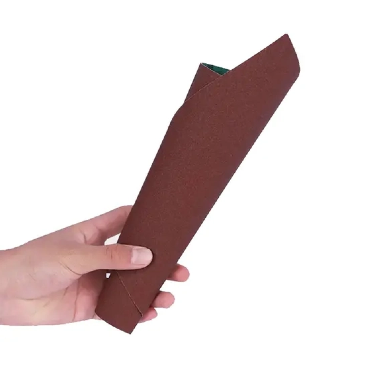
Using 2000 grit sandpaper is slightly different from using coarser grits. Here’s a step-by-step guide on how to use it effectively:
Step 1: Choose the Right Surface
Ensure that the surface you are working on is clean and dry. If you’re working on a painted surface, make sure that it has been properly cured and is ready for sanding.
Step 2: Wet Sanding
2000 grit sandpaper is typically used for wet sanding, which helps keep the surface cool, reduces friction, and prevents the sandpaper from clogging. Soak the sandpaper in water for several minutes before using it. Alternatively, you can wet the surface you are sanding with a spray bottle or sponge.
Step 3: Sanding Technique
Use light, even pressure as you sand. Move in straight lines or small circular motions, depending on the surface and the desired result. Avoid pressing too hard, as this could create scratches that are harder to polish out.
Step 4: Rinse and Repeat
After each pass with the sandpaper, rinse the area to remove any debris or residue that may be left behind. You can repeat the sanding process if necessary, using the same technique until the surface is smooth.
Step 5: Polishing
After sanding, use a polishing compound to buff the surface. This will help remove any remaining sanding marks and restore the shine.
2000 grit sandpaper is an invaluable tool for achieving high-quality finishes in a variety of applications. Whether you're restoring car paint, polishing metal, sanding wood, or refinishing plastic surfaces, 2000 grit sandpaper helps you create a smooth, glossy, and flawless surface. Its fine abrasive particles allow for the removal of minor imperfections without leaving visible scratches, making it ideal for the final stages of sanding and polishing.
For the best results, always ensure that you use 2000 grit sandpaper properly, combining it with wet sanding techniques and polishing compounds to achieve a mirror-like finish. With the right approach, you can enhance the aesthetic quality of your projects and ensure that they look their best.
For those looking for advanced automation solutions, Shanghai Youguard Automation Technology Co., Ltd. offers a wide range of high-quality tools and equipment designed to meet the needs of professionals and DIY enthusiasts alike. Whether you’re working on automotive, woodworking, or metal projects, their products can help you achieve the perfect finish every time.


