
English 
T: +86-21-55896873
E: info@youguard.cn
E: info@youguard.cn
8th Floor, Building 3, 999 Jiangyue Road, Minhang District, Shanghai
Views: 0 Author: Site Editor Publish Time: 2025-11-14 Origin: Site


When it comes to painting a car, the quality of the final finish heavily depends on the preparation process. One of the most crucial steps in preparing a car for painting is sanding the surface. Sanding helps to remove old paint, smooth out imperfections, and create a surface that allows the new paint to adhere properly. However, choosing the right grit sandpaper for painting your car is essential to achieving a smooth, professional-looking finish.
This article will guide you through the different types of sandpaper grits, their roles in the car painting process, and how to properly use them to achieve a flawless paint job.
Before diving into the specifics of what grit sandpaper to use when painting a car, it’s important to understand what the grit number means.
The grit number of sandpaper refers to the number of abrasive particles per square inch. The higher the grit number, the finer the abrasive particles are. Conversely, lower-numbered grits have coarser abrasives that are more effective for removing materials quickly. Here's a quick breakdown of sandpaper grits:
Coarse Grit (40-80): These are very rough grits used for heavy sanding, such as stripping paint or smoothing out significant imperfections.
Medium Grit (120-220): These grits are ideal for smoothing rough surfaces and for working on smaller imperfections after the initial coarse sanding.
Fine Grit (240-400): These are used to smooth out the surface before the final stages of painting.
Very Fine Grit (600-2000): These grits are typically used for polishing and achieving a super-smooth finish.
Sanding is one of the most important steps in the car painting process for several reasons:
Smooth Surface: Sanding removes imperfections such as rust, dirt, and old paint, providing a clean, smooth surface for the new paint to adhere to.
Better Adhesion: The roughened surface allows the new paint to adhere better, preventing peeling or chipping in the future.
Improving Finish Quality: Proper sanding ensures that the paint job has an even texture and a smooth, glossy finish.
Removing Old Paint: In most cases, sanding is required to remove old layers of paint, which can be uneven or chipped, before applying a new coat of paint.
By selecting the right grit sandpaper at each stage, you can ensure that the surface is prepped correctly for painting, leading to a more durable and visually appealing finish.
To achieve a high-quality paint job, it’s essential to use the right sandpaper at each stage of the process. Let’s break down the different stages of car sanding and which grit sandpaper to use for each.
When you’re preparing a car for a fresh coat of paint, the first step is usually to remove any old paint, rust, or other surface imperfections. This stage requires the use of coarse grit sandpaper (40-80 grit). Coarse grits are effective at quickly removing layers of paint and smoothing out areas that have heavy scratches or dents.
40 Grit: This is one of the roughest grits available and should only be used when you need to remove significant amounts of old paint or work on rough metal surfaces. It’s not typically used on the entire car, but it’s useful for removing deep scratches, rust, or imperfections that need substantial smoothing.
60-80 Grit: These are more commonly used for stripping paint or preparing metal surfaces for further sanding. They remove the old finish quickly and leave the surface rough enough to allow the next layer of primer or paint to adhere properly.
Tip: When sanding with coarse grits, it’s important to keep the surface wet to avoid dust buildup and excessive heat, which can damage the underlying surface.
After using coarse grit sandpaper to remove old paint or rust, the next step is to smooth and refine the surface. This is where medium grit sandpaper (120-220 grit) comes into play.
120 Grit: If you’ve used very coarse sandpaper, 120 grit is an excellent choice for smoothing out any scratches left behind. It’s also great for refining the surface of the car after major paint stripping.
180 Grit: 180 grit is ideal for smoothing rough patches without leaving deep scratches. It’s perfect for sanding filler or primer coats and ensuring that the surface is even and ready for fine sanding.
220 Grit: This is one of the most commonly used grits when prepping a car for painting. It helps smooth out imperfections from earlier sanding stages and prepares the surface for the next layer of paint or primer.
Tip: When sanding with medium grit, always sand in a consistent pattern (either circular or linear) to prevent uneven surfaces.
Once the surface has been smoothed out with medium grit sandpaper, the next step is to use fine grit sandpaper (240-400 grit) to refine the surface further. This step is crucial for removing the fine scratches left by the coarser grits and creating a perfectly smooth surface for the paint to bond to.
240 Grit: This grit is a good choice for smoothing out the surface after the medium grit sanding and ensuring that any remaining rough areas are addressed.
320 Grit: Often used for fine sanding before applying the primer, 320 grit is a versatile choice for preparing the surface for paint. It’s often used on primer coats to make sure the surface is as smooth as possible before applying color.
400 Grit: If you’re working with a surface that’s almost ready for paint, 400 grit can be used to smooth out the surface before applying the final paint layers.
At this stage, the goal is to eliminate any visible sanding marks or imperfections that might show up under the new paint job. It’s crucial to be thorough and meticulous during this process to avoid any flaws in the final result.
Once the sanding process is complete, the final step is polishing the surface to restore its shine and ensure a flawless paint finish. For this stage, very fine grit sandpaper (600-2000 grit) is used. These finer grits help to smooth out any last-minute imperfections, while also giving the car’s surface a glossy, smooth finish.
600 Grit: 600 grit is commonly used to wet sand between coats of paint to eliminate dust particles and smooth out the surface.
800-1000 Grit: These grits are typically used when sanding between clear coat layers. They help to remove any orange peel effect (a bumpy surface texture) and give the paint a smoother finish.
1500-2000 Grit: These grits are used for polishing the paint to a high-gloss finish after the clear coat has dried. They are excellent for eliminating swirl marks and preparing the surface for the final stage of polishing.
At this stage, wet sanding is often used to prevent dust and debris from affecting the finish. After sanding with very fine grit sandpaper, you can use a rubbing compound and a polishing pad to achieve a glossy, mirror-like finish.
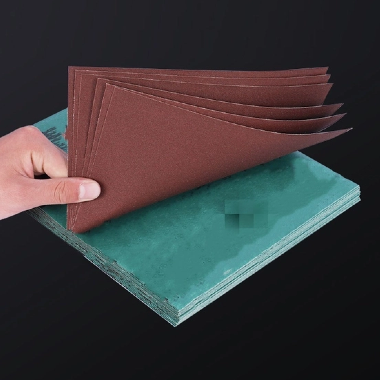
Keep the Surface Wet: Wet sanding helps to keep the sandpaper cool, reduces dust, and prevents over-sanding or damaging the surface.
Use a Sanding Block or DA Sander: For more even pressure and to avoid hand fatigue, use a sanding block or a dual-action (DA) sander. These tools help maintain consistent pressure and prevent uneven sanding.
Work in Sections: Break the sanding process into smaller, manageable sections. This will help you focus on achieving a smooth finish across the entire surface.
Be Patient: Sanding takes time, especially if you’re working with multiple layers of paint or heavy oxidation. Rushing through the sanding process can result in an uneven surface that can affect the final paint job.
Choosing the right sandpaper grit is essential to achieving a high-quality paint job on your car. By following the appropriate sanding process and using the right grits at each stage, you can create a smooth, clean, and well-prepared surface for the paint to adhere to. This not only enhances the visual appeal of your vehicle but also helps to ensure that the paint job lasts longer and performs better.
From stripping old paint and smoothing imperfections with coarse grits to achieving a high-gloss finish with very fine grits, each step in the sanding process plays an important role. Whether you're a DIY enthusiast or a professional, understanding how to choose and use the correct sandpaper grit will lead to better results and a more satisfying car painting experience.


