
English 
T: +86-21-55896873
E: info@youguard.cn
E: info@youguard.cn
8th Floor, Building 3, 999 Jiangyue Road, Minhang District, Shanghai
Views: 0 Author: Site Editor Publish Time: 2025-11-16 Origin: Site


When it comes to sanding or polishing surfaces, whether for woodworking, car bodywork, or metal finishing, sandpaper is an essential tool. However, not all sandpaper is created equal. Sandpaper comes in a variety of grits, and understanding how grit is measured is crucial for achieving the desired results, whether you're smoothing rough edges, preparing surfaces for painting, or finishing a polished surface.
In this article, we'll explore what sandpaper grit is, how it is measured, how different grits affect your project, and how to choose the right grit for various tasks.
Sandpaper grit refers to the coarseness or fineness of the abrasive particles on the sandpaper. The term "grit" is a measure of the number of abrasive particles that are packed into one square inch of sandpaper. Essentially, it indicates how large or small the individual abrasive particles are. The higher the grit number, the finer the sandpaper, and the smoother the surface it creates. Conversely, the lower the grit number, the coarser the sandpaper, and the rougher the finish.
Sandpaper grit is measured by counting the number of abrasive particles that fit into a specific area of sandpaper. The "grit number" is determined based on the size of the individual particles, with higher numbers indicating finer particles.
To understand this better, let’s break down how the measurement works:
Coarse Grit: This refers to sandpaper with a low grit number, usually between 40 and 80 grit. It has large, rough abrasive particles and is used for heavy sanding tasks, like removing old paint or smoothing rough surfaces.
Medium Grit: This is typically between 100 and 220 grit and is used for smoothing out surfaces after coarse sanding or for removing surface imperfections.
Fine Grit: Fine grits, such as 240 to 400 grit, are used to smooth out surfaces in preparation for a finer finish or paint application.
Very Fine Grit: This is the highest level of sandpaper grit, ranging from 600 grit to 2000 grit or higher. Very fine grits are used for polishing, finishing, and creating a smooth, glossy surface.
To put it simply:
Lower numbers = coarser abrasive (rougher finish, used for removing material quickly)
Higher numbers = finer abrasive (smoother finish, used for polishing and finishing)
Several factors contribute to how sandpaper grit is measured and how it performs:
Abrasive Material: Sandpapers can be made from different abrasive materials, such as aluminum oxide, silicon carbide, zirconia, or ceramic. Each material has different properties in terms of hardness and durability, which can affect how it sands surfaces. For instance, silicon carbide is harder and sharper than aluminum oxide, making it suitable for harder materials like metal.
Mesh vs. Closed-Coat: In mesh sandpapers, abrasive particles are held in a more open structure, allowing for better dust extraction and cooling. In closed-coat sandpapers, particles cover the entire surface of the paper, making them suitable for finer finishes.
Manufacturing Process: The way sandpaper is manufactured can also affect the size of the particles. While the grit number reflects the average particle size, it’s important to note that the distribution of particle sizes can vary. Some sandpapers may have a larger number of very fine particles mixed with coarser ones, affecting their overall performance.
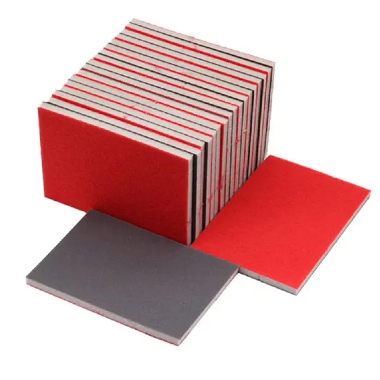
To make the right choice of sandpaper for your project, it’s crucial to understand how each grit number affects your surface. Here's a breakdown of sandpaper grits and their common uses:
Coarse grits are used for rough sanding or material removal. These grits are typically used for initial sanding tasks or to remove thick layers of paint or rust.
40-60 Grit: These grits are very aggressive and are used for stripping off old paint, rust, or rough sanding on wood or metal. They are usually used as the first step in the sanding process when you need to remove a lot of material quickly.
80 Grit: This is slightly finer and is used for smoothing rough wood, preparing surfaces for further sanding, or getting rid of deep scratches. It’s often used in the first stage of car bodywork or surface preparation for painting.
Medium grit sandpapers are often used for the second stage of sanding, where the surface is smoothed after coarse sanding. They help to refine the work done by coarse grits while still removing some material.
100 Grit: Ideal for shaping wood or removing roughness after the coarse grit sanding. This grit is useful for shaping edges or smoothing rough areas of wood or metal before applying a fine grit.
120-150 Grit: These are used to remove the last bit of roughness on the surface. They are often used after the initial rough sanding to prepare the surface for finer sanding.
180 Grit: This is a good all-purpose sanding grit. It’s ideal for wood and metal surfaces, particularly for smoothing surfaces after the coarse grits and removing any imperfections before finishing.
220 Grit: Often used in the final stages of sanding before applying a final finish or paint. It’s smooth enough to ensure that the surface is even and free of major scratches.
Fine grit sandpapers are often used in the final sanding stages. They are typically used for smoothing out surfaces in preparation for painting or finishing.
240 Grit: This grit is suitable for smoothing rough wood or sanding out imperfections before applying paint or varnish.
320-400 Grit: These grits are used for final sanding before applying a finish or coating. The surface should be smooth and free of visible sanding marks at this point.
Very fine grits are used in the final steps of finishing, such as polishing and buffing. These grits are essential for creating a shiny, mirror-like finish on metal, automotive paint, or wood.
600 Grit: This is often used to sand between coats of paint or clear coat. It helps to smooth out any dust particles or imperfections.
800-1000 Grit: Typically used for polishing metal surfaces or to eliminate scratches in automotive finishes.
1500-2000 Grit: These ultra-fine grits are used for achieving a high-gloss finish on car paintwork, automotive restoration, or metal polishing. They help create a mirror-like, smooth surface.
Choosing the right grit sandpaper depends on the task at hand. Here’s a general guide to help you select the appropriate sandpaper grit for different applications:
Coarse Grit (40-80): Use for initial sanding to remove old paint, rough surfaces, or heavy scratches.
Medium Grit (100-150): Used for smoothing the wood and refining the shape.
Fine Grit (180-220): Perfect for preparing the surface before finishing or painting.
Very Fine Grit (320-400): Used for smoothing wood after finishing or polishing.
Coarse Grit (40-80): For removing paint or rust from car surfaces.
Medium Grit (120-150): To smooth and refine the surface before applying primer or topcoat.
Fine Grit (240-400): For prepping before applying paint or clear coat.
Very Fine Grit (600-2000): For polishing the surface after painting, removing swirl marks, or achieving a glossy finish.
Coarse Grit (40-60): Used to remove rust, heavy corrosion, or paint from metal.
Medium Grit (80-120): Ideal for smoothing metal surfaces.
Fine Grit (220-320): To finish metal before painting or coating.
Very Fine Grit (600-1000): For polishing metal or achieving a mirror-like finish.
Understanding how sandpaper grit is measured is essential for achieving the best results in any project that involves sanding or surface preparation. The grit number determines how coarse or fine the sandpaper is, and choosing the right grit for the task will significantly impact the quality of the finished surface.
Whether you’re working on woodworking, car bodywork, or metal polishing, selecting the appropriate grit and using it correctly is key to ensuring a smooth, clean, and professional-looking finish. By following the recommended grit ranges for each task and working progressively from coarse to fine, you can achieve a surface that is both functional and visually appealing.
In summary:
Coarse Grit (40-80) for heavy sanding and material removal
Medium Grit (100-220) for smoothing and refining
Fine Grit (240-400) for preparation and finishing
Very Fine Grit (600-2000) for polishing and achieving a glossy finish
The right grit sandpaper, when used properly, can help you tackle any sanding job with ease, ensuring that your final result is smooth, precise, and professional.


